Professional
Rubber Product Supplier
Raw Film, professionally known as Photoresist Dry Film or simply Dry Film Resist (DFR), is a critical, light-sensitive polymer material essential for modern high-precision manufacturing processes, most notably in the fabrication of printed circuit boards (PCBs) and microelectronic components. This engineered film consists of a photopolymer resist layer, typically sandwiched between a protective polyester cover sheet (on top) and a polyethylene separator sheet (on the bottom). Its core function is to act as a precise, durable, and temporary mask for selective etching, plating, or soldering during the pattern transfer stages of production.
The application process, called lamination, involves removing the separator sheet and bonding the raw film onto a substrate—such as a copper-clad laminate for PCBs—using heat and pressure from a specialized laminator machine. Once laminated, the protective cover sheet is peeled off, and the film is exposed to ultraviolet (UV) light through a photomask or direct laser imaging, which defines the intricate circuit pattern. The UV exposure chemically alters the solubility of the film's polymer; exposed areas harden (for a negative-acting film) or become soluble (for a positive-acting film) in a subsequent chemical development step. This creates a precise, protective stencil of the desired pattern on the substrate, allowing for the etching away of unprotected copper or the plating of exposed areas.
The paramount advantages of using Raw Film are its exceptional resolution, uniformity, and process reliability. It enables the creation of extremely fine lines and spaces, down to the micron level, which is fundamental for manufacturing high-density interconnect (HDI) PCBs, flexible circuits, and semiconductor packaging. Compared to liquid photoresists, dry film offers superior thickness control, eliminates issues like coating inconsistencies or edge beads, and provides better resistance to acidic and alkaline plating baths, ensuring pattern integrity during harsh chemical processes. It also simplifies the production workflow, is cleaner to handle, and is highly suitable for volume manufacturing.
Key selection criteria for Raw Film include its photochemical type (negative-acting is most common for PCBs), thickness (ranging from 15 μm to over 100 μm for various applications), resolution capability, thermal resistance (for lead-free soldering processes), and chemical compatibility with specific etchants and developers. Major application industries extend beyond mainstream PCB manufacturing to include the production of nameplates, metal precision etching for lead frames, and even some advanced MEMS (Micro-Electro-Mechanical Systems) fabrication.
In summary, Raw Film (Photoresist Dry Film) is an indispensable enabler of the miniaturized electronics that power our world. By providing a robust, high-fidelity masking medium, it ensures the accuracy, yield, and efficiency required to produce the complex, reliable circuitry found in everything from smartphones and computers to automotive systems and medical devices. Its continued evolution in resolution and performance directly supports the ongoing advancement of electronic technology.
-
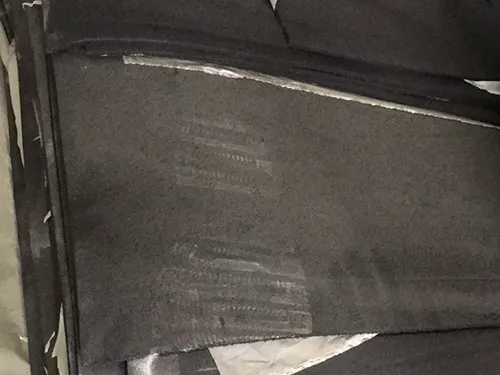
Industrial Rubber Raw Film
Industrial rubber raw films are versatile and can be used in a wide variety of applications.
Send Inquiry
-
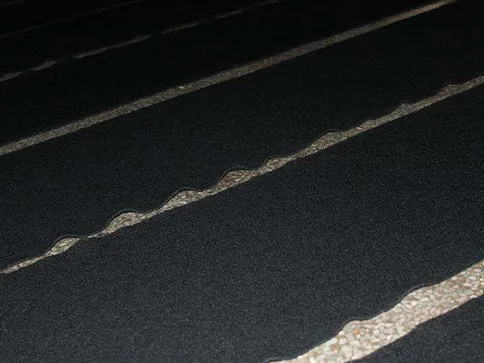
Industrial film
Industrial film is a type of film used in industrial settings for a wide range of purposes. Unlike consumer-grade films, which are typically intended for short-term or decorative uses, industrial films are engineered for durability, performance, and long-term use. These films can vary in thickness, material composition, and properties to meet the specific requirements of the industry in which they are used.
Send Inquiry
-
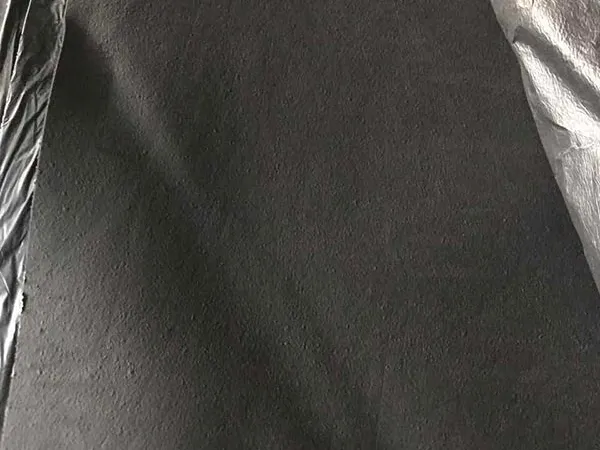
Rubber Raw Film
Raw rubber films are typically made from natural rubber or synthetic rubber compounds, such as styrene-butadiene rubber (SBR), neoprene, butyl rubber, and EPDM (ethylene propylene diene monomer), each offering distinct properties suited for specific applications. Raw rubber films can be either solid or have various additives to enhance performance, including fillers, plasticizers, and curing agents.
Send Inquiry
-
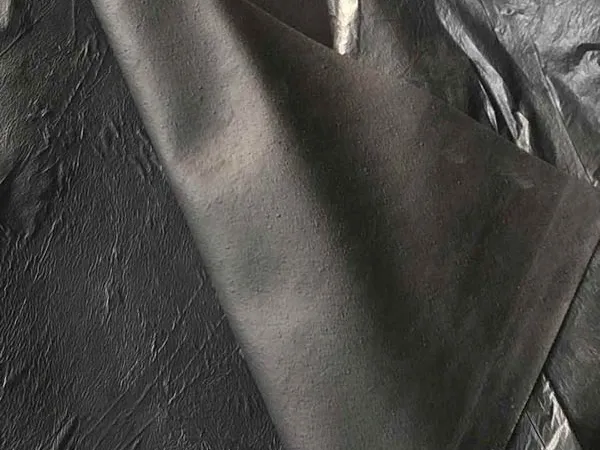
Raw Film
High Tensile Strength: Raw films are designed to withstand significant amounts of stress and pressure without tearing or stretching. This makes them ideal for products that require strength and resilience, such as packaging materials or automotive components.
Send Inquiry


 Portugues
 Pусский



 WhatsApp
 Phone
Phone