Professional
Rubber Product Supplier
A rubber block is a solid, three-dimensional elastomeric component engineered primarily for heavy-duty load-bearing, industrial shock absorption, high-performance vibration isolation, and critical structural cushioning. Distinct from thinner sheets or pads in its substantial volume and cross-sectional density, it is manufactured through precision processes like compression molding, transfer molding, or injection molding, allowing for complex geometries and consistent internal integrity. The functional core of a rubber block lies in its customized compound, formulated from base elastomers such as natural rubber (NR) for outstanding resilience and energy return, neoprene (CR) for good weather and moderate oil resistance, ethylene propylene diene monomer (EPDM) for superior ozone and weather resistance in civil engineering, or nitrile rubber (NBR) for environments involving oils and fuels. Key technical parameters defining its performance include its hardness (durometer) often ranging from 40 to 80 Shore A for different stiffness levels, static and dynamic load-bearing capacity measured in MPa or PSI, compression set resistance to prevent permanent deformation, and deflection characteristics under specific loads.
In application, anti-vibration rubber blocks are fundamental for mounting heavy machinery like presses, generators, and industrial pumps, effectively isolating structure-borne noise and dampening disruptive vibrations. In infrastructure, elastomeric bridge bearing blocks accommodate thermal expansion, seismic movements, and live loads through controlled horizontal shear deflection. For material handling, conveyor system impact blocks protect belts and structures at loading points by absorbing the kinetic energy of falling bulk materials. Furthermore, acoustic isolation blocks are used in building construction to create floating floors and walls that prevent sound transmission. The primary advantages of utilizing rubber blocks include their high energy absorption efficiency, which protects both machinery and foundations; their maintenance-free durability in harsh environments; and their design flexibility to be molded into shapes like rectangles, cylinders, or custom profiles with metal plate inserts for bolt-through installation. When selecting a rubber block, critical factors to analyze are the total static load to determine required compressive strength, the dynamic force frequency and amplitude for vibration control, the environmental exposure to chemicals, temperature extremes, or outdoor weathering, and any necessary fire resistance or regulatory certifications. Ultimately, from stabilizing massive industrial equipment to ensuring the seismic safety of bridges and buildings, the rubber block serves as a foundational, high-resilience solution for managing extreme forces, impacts, and vibrations in engineering and construction.
-
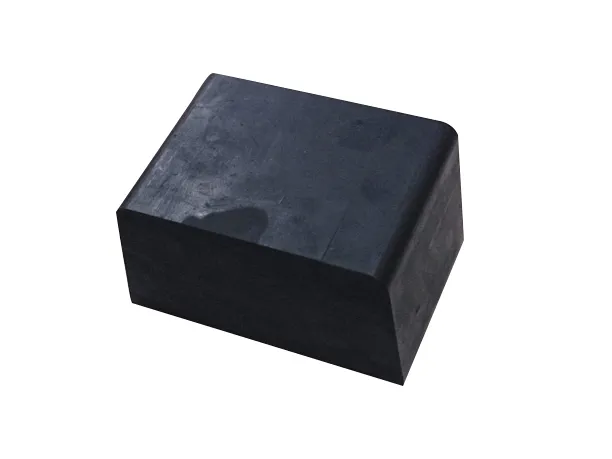
Regenerated Rubber Block
Regenerated rubber blocks are an environmentally friendly and cost-effective alternative to traditional rubber materials. Made from recycled rubber, these blocks retain many of the beneficial properties of virgin rubber, such as durability, flexibility, and shock resistance. As industries around the world increasingly prioritize sustainability, regenerated rubber blocks have gained significant traction across various sectors, from manufacturing to construction.
Send Inquiry
-
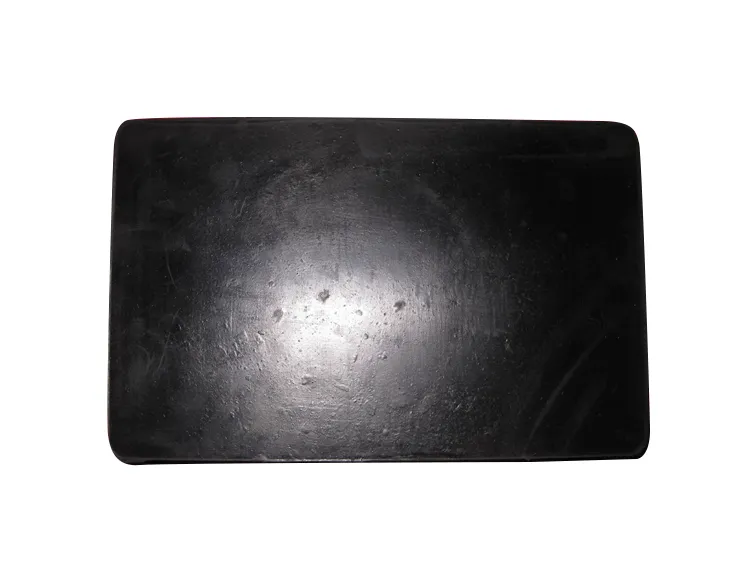
Regenerated Rubber Block
Basic characteristics of rubber blocks: (1) Rubber blocks are made by pressing multiple layers of rubber sheets.
Has sufficient vertical stiffness to withstand vertical loads, can transmit the
reaction force of the upper structure to the pier, has good elasticity to adapt
to the rotation of the beam end; There is also significant shear deformation to
meet the horizontal displacement of the upper structure. (2) Characteristics of rubber blocks: They have been widely used in...
Send Inquiry
-
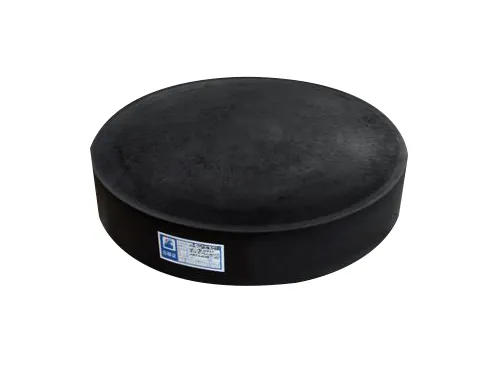
Industrial Rubber Block
An industrial rubber block is a highly versatile material used across a variety of industries, including manufacturing, construction, automotive, and more. Known for its durability, flexibility, and shock-absorbing qualities, industrial rubber blocks are essential components in machinery, equipment, and structural applications. These blocks are made from high-quality rubber compounds designed to withstand harsh conditions and provide reliable performance.
Send Inquiry
-
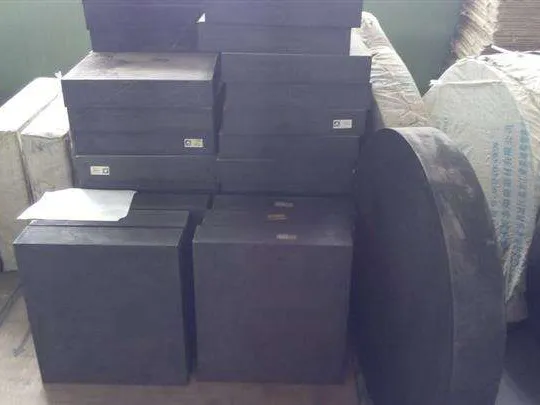
Shockproof Rubber Block
Shockproof rubber blocks are a vital component for many industries, offering reliable shock absorption, vibration isolation, and long-term durability. Whether used in machinery, automotive, construction, or electronics, these blocks help protect equipment, improve safety, reduce noise, and lower maintenance costs. By incorporating shockproof rubber blocks into operations, businesses can achieve greater efficiency, extended equipment lifespan, and a safer, more comfortable working environment.
Send Inquiry
-
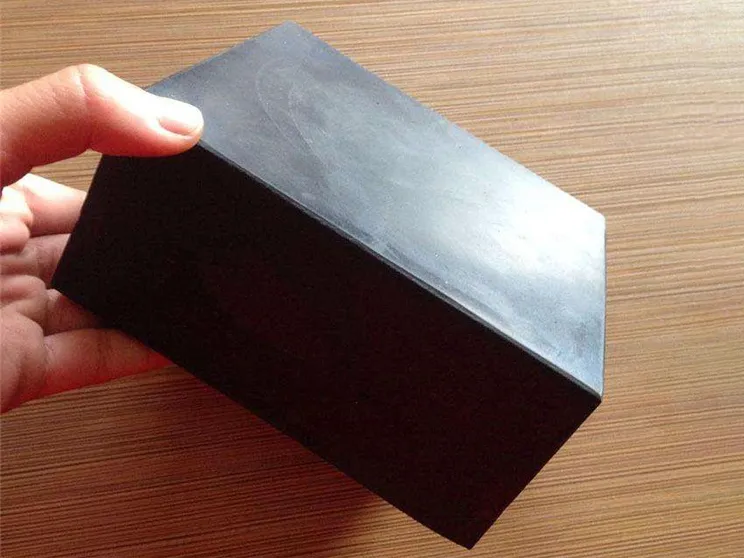
Automotive Shock Absorber Rubber Block
In the world of automotive engineering, shock absorber rubber blocks play a critical role in enhancing the performance, safety, and comfort of vehicles. These rubber blocks are used in suspension systems to absorb shocks and vibrations, reducing the impact on both the vehicle and its occupants. The ability to handle these forces efficiently helps improve ride quality, vehicle handling, and the longevity of various automotive components.
Send Inquiry


 Portugues
 Pусский



 WhatsApp
 Phone
Phone