 Portugues
 Pусский


Altogether51, Every page shows:12article


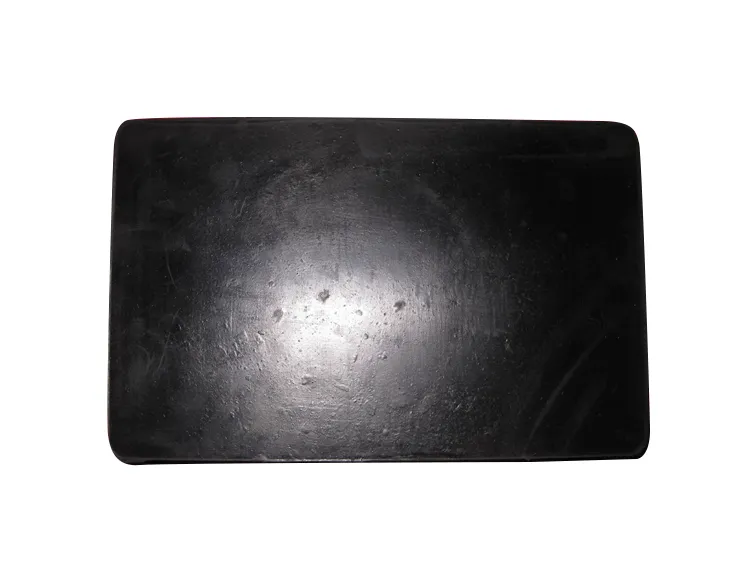
Basic characteristics of rubber blocks: (1) Rubber blocks are made by pressing multiple layers of rubber sheets. Has sufficient vertical stiffness to withstand vertical loads, can transmit the reaction force of the upper structure to the pier, has good elasticity to adapt to the rotation of the beam end; There is also significant shear deformation to meet the horizontal displacement of the upper structure. (2) Characteristics of rubber blocks: They have been widely used in...
Send Inquiry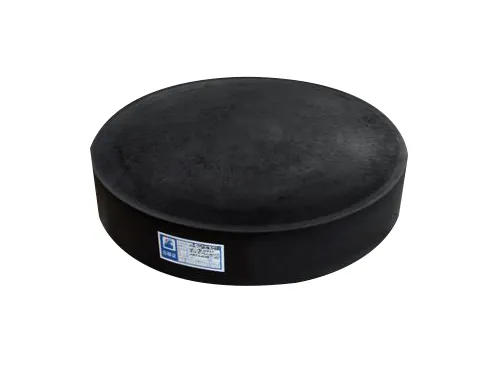
An industrial rubber block is a highly versatile material used across a variety of industries, including manufacturing, construction, automotive, and more. Known for its durability, flexibility, and shock-absorbing qualities, industrial rubber blocks are essential components in machinery, equipment, and structural applications. These blocks are made from high-quality rubber compounds designed to withstand harsh conditions and provide reliable performance.
Send Inquiry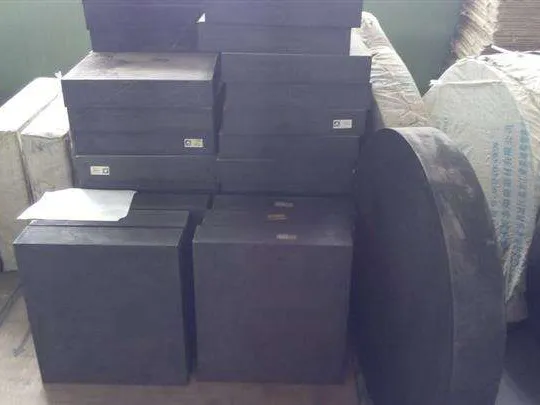
Shockproof rubber blocks are a vital component for many industries, offering reliable shock absorption, vibration isolation, and long-term durability. Whether used in machinery, automotive, construction, or electronics, these blocks help protect equipment, improve safety, reduce noise, and lower maintenance costs. By incorporating shockproof rubber blocks into operations, businesses can achieve greater efficiency, extended equipment lifespan, and a safer, more comfortable working environment.
Send Inquiry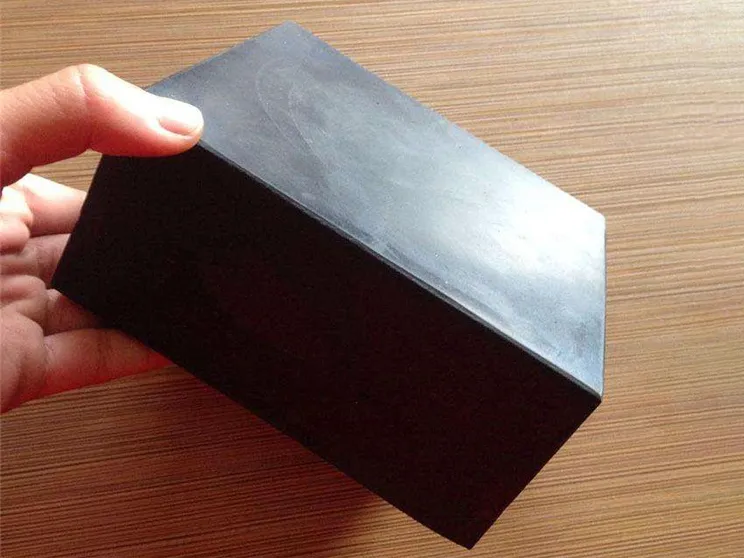
In the world of automotive engineering, shock absorber rubber blocks play a critical role in enhancing the performance, safety, and comfort of vehicles. These rubber blocks are used in suspension systems to absorb shocks and vibrations, reducing the impact on both the vehicle and its occupants. The ability to handle these forces efficiently helps improve ride quality, vehicle handling, and the longevity of various automotive components.
Send Inquiry
A thin layer silicone plate is a versatile, flexible material made primarily of silicone rubber, often processed into thin sheets or layers. Silicone itself is a synthetic polymer made from silicon, oxygen, and other elements. The thinness of the plate allows it to be used in a variety of applications where space constraints or lightweight materials are essential. Despite their thin nature, silicone plates exhibit remarkable mechanical properties, including high heat resistance, excellent electr...
Send Inquiry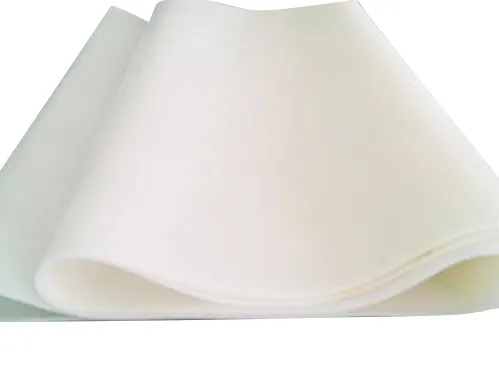
A thin layer silicone plate is a flat, flexible material primarily composed of silicone rubber, processed into thin sheets. Despite its thin structure, it exhibits many of the same desirable properties that make silicone a sought-after material, including heat resistance, electrical insulation, and flexibility. These plates can be manufactured in various thicknesses, allowing for precise customization depending on the specific application.
Send Inquiry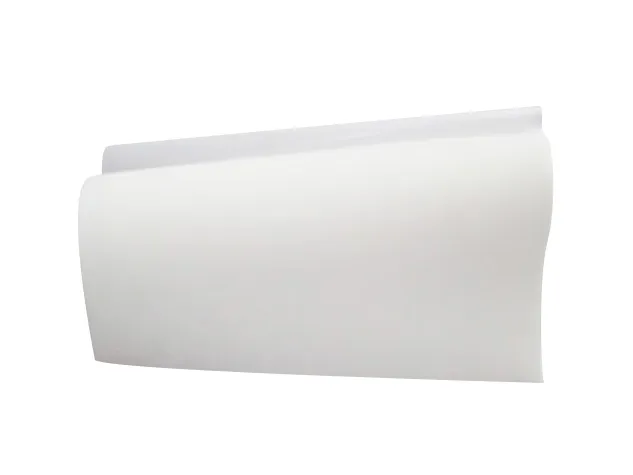
A high temperature resistant silicone sheet is a flexible, durable material made from silicone rubber that can withstand temperatures from -60°C to 250°C (-76°F to 482°F) or higher, depending on the formulation. Silicone sheets are commonly used as gaskets, seals, insulating materials, and protective coverings in high-heat environments. They are engineered to retain their shape and performance, even when exposed to extreme heat, chemicals, and physical stress.
Send Inquiry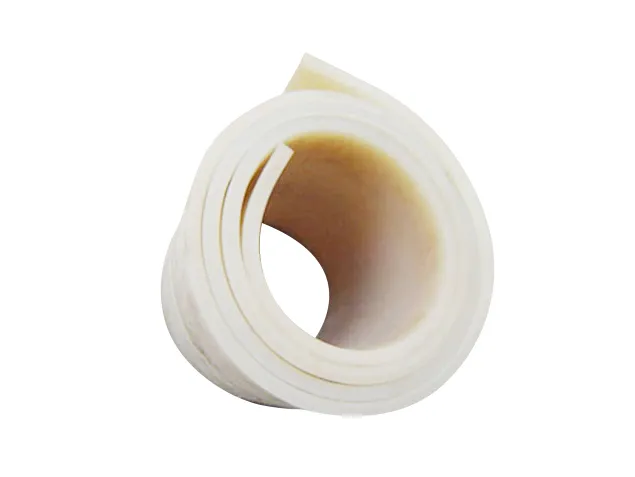
A white silicone board is a flat, flexible material made from high-quality silicone rubber, processed into sheets or boards with a white finish. Silicone boards are commonly used in industries that require heat resistance, electrical insulation, and non-toxic materials. The white color of the board offers both aesthetic appeal and practical advantages, such as improved visibility and easy cleanliness. White silicone boards are manufactured to meet specific industrial needs and are often tailored...
Send Inquiry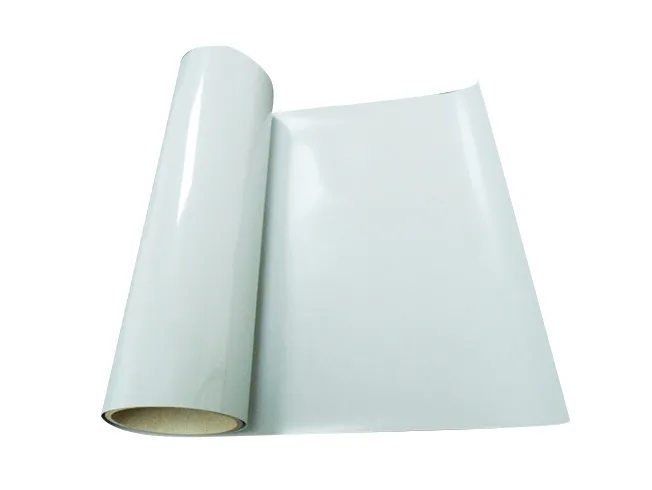
A silica gel plate is a flat, rigid surface that is coated with a thin layer of silica gel, often used in processes like thin-layer chromatography (TLC). Silica gel itself is a porous, granular material made from silica, which is a form of silicon dioxide (SiO₂). Its high surface area, porosity, and ability to absorb moisture make it ideal for separating, purifying, and analyzing substances in various scientific processes.
Send Inquiry
Latex reclaimed rubber refers to rubber that has been recovered, processed, and reused from previously used latex products, such as tires, rubber gloves, and other rubber-based materials. The process of reclaiming latex rubber involves breaking down the rubber into smaller, reusable components. This allows the material to be used again, rather than ending up in landfills, thereby reducing waste and the need for new raw materials.
Send Inquiry
Butyl regenerated rubber is a type of recycled rubber derived from used butyl rubber. Butyl rubber, known for its excellent air retention, chemical resistance, and flexibility, is commonly used in tire manufacturing, automotive seals, and other industrial products. However, over time, used butyl rubber products may reach the end of their useful life and are typically discarded. Rather than sending these products to landfills, the rubber is subjected to a recycling process known as regeneration.
Send Inquiry
Black latex reclaimed rubber is a form of recycled rubber that is typically derived from used latex products such as tires, rubber hoses, gloves, and various other rubber-based materials. The recycling process involves breaking down these used rubber products into reusable components, which are then processed to restore their elasticity and other desirable properties. The result is a material that retains many of the qualities of fresh latex rubber but at a significantly lower environmental cost...
Send InquiryCopyright © 2025 Anhui Fengyun Polymer Materials Co., Ltd
SitemapBack to top 
This website uses cookies to ensure you get the best experience on our website.



 WhatsApp
 Phone
Phone