
 Portugues
 Pусский


Acid Alkali Resistant Rubber
Acid and Alkali Resistant Rubber: Properties and Applications Acid and alkali resistant rubber is a specialized elastomer designed to withstand exposure to aggressive chemicals, including strong acids, bases, and other corrosive substances. This type of rubber is widely used in industries where chemical resistance is critical, such as chemical processing, pharmaceuticals, wastewater treatment, and oil and gas. Key Properties 1. Chemical Resistance The primary feature of acid and alkali resistant rubber is its ability to resist degradation when exposed to harsh chemicals. It maintains structural integrity even when in contact with sulfuric acid, hydrochloric acid, sodium hydroxide, and other corrosive agents. 2. Temperature Stability Many acid and alkali resistant rubbers can operate within a broad temperature range, from sub-zero conditions to high-heat environments, without losing elasticity or strength. 3. Mechanical Strength These rubbers exhibit excellent tensile strength, tear resistance, and abrasion resistance, making them suitable for demanding industrial applications. 4. Flexibility and Elasticity Despite their chemical resistance, these materials remain flexible, allowing them to be used in seals, gaskets, and hoses that require deformation under pressure. 5. Longevity Compared to standard rubber, acid and alkali resistant variants have a longer service life in corrosive environments, reducing maintenance and replacement costs. Common Types - EPDM (Ethylene Propylene Diene Monomer) – Highly resistant to acids, alkalis, and polar solvents, with excellent weather resistance. - Nitrile Rubber (NBR) – Offers good resistance to oils and some chemicals but may degrade under strong acids or bases. - Fluoroelastomers (FKM/Viton®-type) – Exceptional resistance to aggressive chemicals and high temperatures, though more expensive. - Neoprene (CR) – Provides moderate resistance to acids and alkalis, along with good mechanical properties. Applications - Seals and Gaskets – Used in chemical tanks, pipelines, and reactors to prevent leaks. - Hoses and Linings – Transport corrosive liquids safely in industrial settings. - Protective Gear – Gloves, aprons, and boots for workers handling hazardous chemicals. - Wastewater Treatment – Linings for tanks and pipes exposed to acidic or alkaline effluents. Selection Considerations When choosing acid and alkali resistant rubber, factors such as chemical concentration, temperature, mechanical stress, and exposure duration must be evaluated to ensure optimal performance. In summary, acid and alkali resistant rubber is an essential material in industries dealing with corrosive substances, offering durability, flexibility, and long-term reliability in harsh environments.
Products
Category:
-
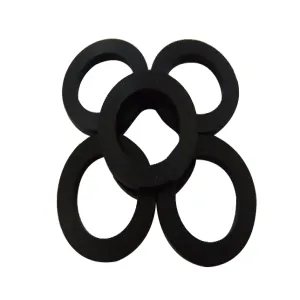
Anti Corrosion Rubber Pad
Category: Rubber PadBrowse number: 34Number:Release time: 2025-12-17 16:09:49Anti-corrosion rubber pads are critical components used in various industries to protect equipment, machinery, and surfaces from the damaging effects of corrosion. These specialized rubber pads are engineered to withstand harsh environmental conditions, including exposure to chemicals, moisture, and extreme temperatures. By offering a combination of protective properties, such as corrosion resistance, shock absorption, and vibration isolation, anti-corrosion rubber pads are essential for enhancing the performance and longevity of equipment and systems in both industrial and commercial settings.
News
Category:
No search results found!
Case
Category:
No search results found!
Video
Category:
No search results found!
Download
Category:
No search results found!
Job
Category:
No search results found!
Featured Products
No search results found!



 WhatsApp
 Phone
Phone