
 Portugues
 Pусский


Chemical Resistant Pad
Chemical Resistant Pad: A Comprehensive Overview A chemical resistant pad is a specialized protective material designed to withstand exposure to harsh chemicals, acids, solvents, oils, and other corrosive substances. These pads are widely used in laboratories, industrial settings, manufacturing plants, and maintenance operations where spills, leaks, or chemical splashes pose a risk to surfaces, equipment, and personnel. Key Features and Benefits 1. High Chemical Resistance The primary function of a chemical resistant pad is to provide a barrier against aggressive chemicals. These pads are typically made from materials such as polyethylene, PVC, neoprene, nitrile rubber, or fluoropolymers, which offer excellent resistance to acids, alkalis, oils, and solvents. 2. Durability and Longevity Chemical resistant pads are engineered to endure prolonged exposure to corrosive substances without degrading, cracking, or losing their protective properties. They are often reinforced with layers or coatings to enhance strength and resistance. 3. Non-Slip and Anti-Static Properties Many chemical resistant pads feature textured or ribbed surfaces to prevent slipping, ensuring safety in wet or oily environments. Some are also designed with anti-static properties to reduce the risk of sparks in flammable or explosive atmospheres. 4. Easy Maintenance and Cleanability These pads are designed for easy cleaning, often requiring only a wipe-down with water or a mild detergent. Their smooth surfaces prevent chemical absorption, making them reusable and cost-effective. 5. Versatility in Applications Chemical resistant pads are used in various industries, including: - Laboratories: Protecting benchtops from acid spills. - Industrial Workstations: Shielding floors and surfaces in chemical processing plants. - Automotive and Mechanical Workshops: Preventing oil and solvent damage. - Medical and Pharmaceutical Facilities: Ensuring sterile and chemical-safe environments. Material Considerations Different chemicals require different resistance levels, so selecting the right material is crucial: - Polyethylene (PE): Resistant to acids and bases but may degrade with strong solvents. - PVC: Good for oils and mild acids but not suitable for ketones or aromatic hydrocarbons. - Neoprene/Nitrile Rubber: Effective against oils, fuels, and some acids. - PTFE (Teflon®): Highly resistant to almost all chemicals but more expensive. Conclusion Chemical resistant pads are essential safety tools in environments where chemical exposure is a concern. Their durability, resistance, and ease of use make them indispensable for protecting surfaces, enhancing workplace safety, and preventing costly damage. When selecting a chemical resistant pad, factors such as chemical compatibility, thickness, and environmental conditions should be carefully evaluated to ensure optimal performance.
Products
Category:
-
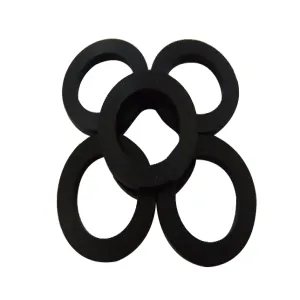
Anti Corrosion Rubber Pad
Category: Rubber PadBrowse number: 34Number:Release time: 2025-12-17 16:09:49Anti-corrosion rubber pads are critical components used in various industries to protect equipment, machinery, and surfaces from the damaging effects of corrosion. These specialized rubber pads are engineered to withstand harsh environmental conditions, including exposure to chemicals, moisture, and extreme temperatures. By offering a combination of protective properties, such as corrosion resistance, shock absorption, and vibration isolation, anti-corrosion rubber pads are essential for enhancing the performance and longevity of equipment and systems in both industrial and commercial settings.
News
Category:
No search results found!
Case
Category:
No search results found!
Video
Category:
No search results found!
Download
Category:
No search results found!
Job
Category:
No search results found!
Featured Products
No search results found!



 WhatsApp
 Phone
Phone