
 Portugues
 Pусский


Dielectric Rubber Seal
Dielectric Rubber Seal: A Comprehensive Overview Dielectric rubber seals are specialized components designed to provide both environmental protection and electrical insulation in various applications. These seals are engineered to prevent the ingress of moisture, dust, chemicals, and other contaminants while ensuring electrical isolation between conductive surfaces. Their unique properties make them indispensable in industries such as automotive, aerospace, electronics, and renewable energy systems. Material Composition and Properties Dielectric rubber seals are typically made from elastomers like silicone, EPDM (ethylene propylene diene monomer), or fluorocarbon rubber (FKM), chosen for their excellent dielectric strength, flexibility, and resistance to extreme temperatures. Silicone, for instance, offers superior thermal stability (-60°C to 230°C) and UV resistance, making it ideal for outdoor applications. EPDM provides excellent weather resistance, while FKM is preferred for harsh chemical environments. The dielectric properties of these materials ensure minimal electrical conductivity, preventing short circuits and leakage currents. Additionally, they exhibit high compression set resistance, allowing them to maintain sealing effectiveness over long periods despite mechanical stress. Key Applications 1. Electronics & Electrical Enclosures – Used in junction boxes, connectors, and circuit housings to prevent moisture-induced corrosion and electrical failures. 2. Automotive & Aerospace – Applied in battery housings, sensors, and high-voltage systems to ensure safety and reliability under vibration and thermal cycling. 3. Renewable Energy Systems – Critical in solar panel seals and wind turbine components to withstand environmental exposure while maintaining insulation. 4. Medical Devices – Utilized in diagnostic equipment where electrical isolation and biocompatibility are essential. Design Considerations Effective dielectric rubber seals require precise engineering to balance mechanical performance with electrical insulation. Factors such as compression force, groove design, and material hardness must be optimized to ensure long-term sealing without degradation. Custom shapes (O-rings, gaskets, or molded profiles) are often employed to meet specific application demands. Advantages Over Conventional Seals Unlike standard rubber seals, dielectric variants provide: - Enhanced Safety – Prevents electrical arcing and short circuits. - Durability – Resists aging, ozone, and extreme conditions. - Versatility – Compatible with both static and dynamic sealing applications. Conclusion Dielectric rubber seals play a crucial role in modern technology by combining robust sealing performance with reliable electrical insulation. Their adaptability to diverse environments and industries underscores their importance in ensuring operational safety and longevity of electrical systems. As technology advances, the demand for high-performance dielectric seals will continue to grow, driving further innovation in material science and design.
Products
Category:
-
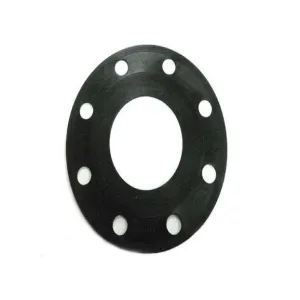
Insulated Rubber Gasket
Category: Rubber PadBrowse number: 19Number:Release time: 2025-12-17 16:14:50Insulated rubber gaskets are designed with several key features that make them highly effective for various applications:
News
Category:
No search results found!
Case
Category:
No search results found!
Video
Category:
No search results found!
Download
Category:
No search results found!
Job
Category:
No search results found!
Featured Products
No search results found!



 WhatsApp
 Phone
Phone