
 Portugues
 Pусский


Electrical Insulation Gasket
Electrical Insulation Gasket: Overview and Applications An electrical insulation gasket is a critical component designed to provide electrical isolation, mechanical support, and environmental protection in various electrical and electronic systems. These gaskets are engineered to prevent current leakage, short circuits, and electrical interference while maintaining structural integrity in demanding environments. Material Composition Electrical insulation gaskets are typically made from high-performance dielectric materials such as silicone rubber, EPDM, PTFE (Teflon), fiberglass-reinforced composites, or ceramic-filled polymers. These materials offer excellent resistance to high voltages, extreme temperatures, chemicals, and mechanical stress. The choice of material depends on the specific application requirements, including thermal stability, flexibility, and dielectric strength. Key Functions 1. Electrical Isolation – The primary role of an insulation gasket is to block electrical conductivity between adjacent components, preventing arcing or short circuits. 2. Thermal Management – Some gaskets incorporate thermally conductive but electrically insulating materials to dissipate heat while maintaining electrical isolation. 3. Environmental Sealing – Many gaskets provide resistance to moisture, dust, and corrosive substances, ensuring long-term reliability in harsh conditions. 4. Vibration Damping – In mechanical assemblies, these gaskets can absorb shocks and vibrations, protecting sensitive components. Applications Electrical insulation gaskets are widely used in industries such as: - Power Electronics – Inverters, transformers, and switchgear to isolate high-voltage components. - Automotive & Aerospace – Battery enclosures, motor housings, and avionics to prevent electrical interference. - Renewable Energy – Solar panels and wind turbines where weather resistance is crucial. - Consumer Electronics – Circuit boards and enclosures to enhance safety and performance. Design Considerations When selecting an insulation gasket, factors such as dielectric strength, temperature range, compression set resistance, and compliance with industry standards (e.g., UL, IEC) must be evaluated. Custom shapes and thicknesses can be tailored to fit specific assembly requirements. Conclusion Electrical insulation gaskets play a vital role in ensuring the safety, efficiency, and durability of electrical systems. By providing reliable insulation, thermal regulation, and environmental protection, they contribute to the optimal performance of modern electronic and power applications. Advances in material science continue to enhance their capabilities, making them indispensable in high-tech industries.
Products
Category:
-
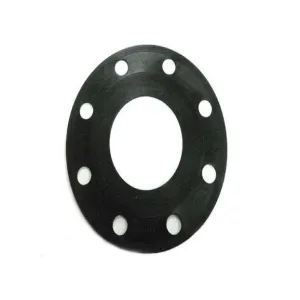
Insulated Rubber Gasket
Category: Rubber PadBrowse number: 19Number:Release time: 2025-12-17 16:14:50Insulated rubber gaskets are designed with several key features that make them highly effective for various applications:
News
Category:
No search results found!
Case
Category:
No search results found!
Video
Category:
No search results found!
Download
Category:
No search results found!
Job
Category:
No search results found!
Featured Products
No search results found!



 WhatsApp
 Phone
Phone