
 Portugues
 Pусский


Fluororubber gasket material
Fluororubber Gasket Material: Properties and Applications Fluororubber, also known as fluoroelastomer (FKM), is a high-performance synthetic rubber widely used in gasket manufacturing due to its exceptional resistance to heat, chemicals, and harsh environments. This material is particularly valued in industries where extreme conditions demand reliable sealing solutions. Key Properties of Fluororubber Gaskets 1. High-Temperature Resistance Fluororubber gaskets can withstand continuous temperatures ranging from -20°C to +200°C (-4°F to +392°F), with some specialized grades enduring short-term exposure up to 300°C (572°F). This makes them ideal for automotive, aerospace, and industrial applications involving hot fluids or gases. 2. Chemical and Solvent Resistance Fluororubber exhibits excellent resistance to oils, fuels, acids, alkalis, and aggressive solvents. Unlike many elastomers, it does not degrade when exposed to hydrocarbons, making it a preferred choice for fuel systems, chemical processing, and oil & gas applications. 3. Low Compression Set Fluororubber gaskets maintain their shape and sealing force even after prolonged compression, ensuring long-term reliability in static sealing applications. 4. Weather and Ozone Resistance Unlike natural rubber or some synthetic elastomers, fluororubber resists degradation from UV exposure, ozone, and weathering, making it suitable for outdoor applications. 5. Low Gas Permeability The material’s dense molecular structure minimizes gas diffusion, which is critical in vacuum systems and high-pressure environments. Common Applications - Automotive: Used in fuel injectors, valve covers, and turbocharger gaskets due to resistance to gasoline and engine oils. - Aerospace: Employed in jet engine seals and hydraulic systems where high temperatures and aggressive fluids are present. - Chemical Processing: Ideal for gaskets in pumps, reactors, and pipelines handling corrosive chemicals. - Oil & Gas: Used in drilling equipment, refineries, and pipelines where resistance to hydrocarbons and high pressures is essential. - Semiconductor Manufacturing: Applied in cleanroom environments where chemical and thermal stability are critical. Limitations Despite its advantages, fluororubber has some limitations: - Poor resistance to ketones (e.g., acetone) and certain esters. - Higher cost compared to standard elastomers like nitrile rubber (NBR). - Limited flexibility at very low temperatures unless specially compounded. Conclusion Fluororubber gaskets provide unmatched performance in demanding environments, combining heat resistance, chemical stability, and durability. While more expensive than conventional elastomers, their longevity and reliability justify their use in critical sealing applications across multiple industries.
Products
Category:
-
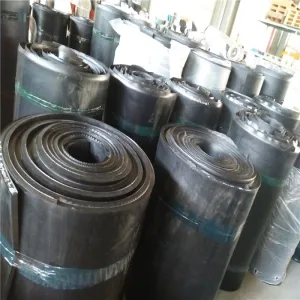
Oil resistant fluororubber sheet
Category: Fluorine Rubber SheetBrowse number: 24Number:Release time: 2025-12-17 15:00:48Fluororubber sheets have excellent characteristics of aging resistance, high temperature resistance, ozone resistance, oil resistance, high vacuum resistance, acid and alkali resistance, and resistance to various chemicals.
News
Category:
-
[Industry News]High-Temperature Applications of Fluorine Rubber (FKM)
2025-12-17 17:08:27
Case
Category:
No search results found!
Video
Category:
No search results found!
Download
Category:
No search results found!
Job
Category:
No search results found!
Featured Products
No search results found!



 WhatsApp
 Phone
Phone