
 Portugues
 Pусский


Heat Resistant Silicone
Heat Resistant Silicone: Properties, Applications, and Benefits Heat resistant silicone is a versatile synthetic polymer widely used in industries requiring materials that can withstand extreme temperatures while maintaining flexibility, durability, and chemical stability. This specialized silicone exhibits exceptional thermal stability, typically enduring temperatures ranging from -60°C to over 300°C (-76°F to 572°F), depending on the formulation. Its unique properties make it indispensable in high-temperature environments where conventional materials fail. Key Properties 1. Thermal Stability: Heat resistant silicone retains its physical and mechanical properties even under prolonged exposure to high temperatures. It resists degradation, hardening, or cracking, ensuring long-term performance. 2. Flexibility and Elasticity: Unlike many high-temperature materials that become brittle, silicone remains flexible, making it ideal for dynamic applications like gaskets and seals. 3. Chemical Resistance: It resists oxidation, UV radiation, and many chemicals, including oils, acids, and solvents, enhancing its durability in harsh conditions. 4. Electrical Insulation: Silicone’s dielectric properties make it valuable in electrical and electronic applications where heat resistance is critical. 5. Non-Toxicity and Safety: Many grades are FDA-compliant and suitable for food-grade or medical applications, such as baking molds or medical device components. Applications Heat resistant silicone is used across diverse industries: - Automotive: Gaskets, hoses, and engine components that endure high heat and friction. - Aerospace: Seals and insulation for aircraft engines and spacecraft. - Electronics: Encapsulation of circuits, LED lighting, and thermal management solutions. - Industrial: Molds for casting metals or plastics, conveyor belts, and high-temperature seals. - Household and Culinary: Bakeware, oven mitts, and kitchen utensils. - Medical: Sterilizable equipment, tubing, and prosthetics. Advantages Over Other Materials Compared to organic rubbers or plastics, heat resistant silicone offers superior longevity under thermal stress. It outperforms materials like PTFE (Teflon) in flexibility and is easier to mold than ceramics. Additionally, silicone’s hydrophobic nature prevents moisture absorption, reducing the risk of corrosion in metal components it contacts. Conclusion Heat resistant silicone is a critical material for modern engineering, combining thermal resilience with versatility. Its ability to perform under extreme conditions while maintaining safety and functionality makes it a preferred choice in industries ranging from manufacturing to healthcare. Continuous advancements in silicone technology further expand its applications, ensuring its relevance in future innovations.
Products
Category:
-
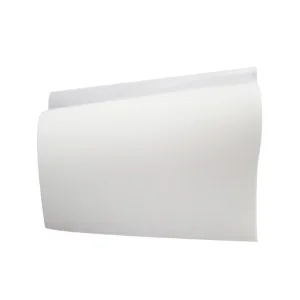
High Temperature Resistant Silicone Sheet
Category: Silica Gel PlateBrowse number: 24Number:Release time: 2025-12-17 15:32:36A high temperature resistant silicone sheet is a flexible, durable material made from silicone rubber that can withstand temperatures from -60°C to 250°C (-76°F to 482°F) or higher, depending on the formulation. Silicone sheets are commonly used as gaskets, seals, insulating materials, and protective coverings in high-heat environments. They are engineered to retain their shape and performance, even when exposed to extreme heat, chemicals, and physical stress.
News
Category:
No search results found!
Case
Category:
No search results found!
Video
Category:
No search results found!
Download
Category:
No search results found!
Job
Category:
No search results found!
Featured Products
No search results found!



 WhatsApp
 Phone
Phone