
 Portugues
 Pусский


Hydraulic Seal
Hydraulic Seals: Function, Types, and Applications Hydraulic seals are critical components in hydraulic systems, designed to prevent fluid leakage and maintain pressure by sealing the gaps between moving or stationary parts. They ensure efficient operation by retaining hydraulic fluids, excluding contaminants, and minimizing friction. These seals are widely used in industries such as construction, agriculture, aerospace, and manufacturing, where hydraulic machinery operates under high pressure and dynamic conditions. Function and Importance Hydraulic seals perform three primary functions: 1. Fluid Retention – They prevent hydraulic oil or fluid from leaking out of cylinders, pumps, or valves, ensuring system efficiency. 2. Contaminant Exclusion – They block external particles like dirt, dust, and moisture from entering the system, reducing wear and damage. 3. Pressure Maintenance – By sealing gaps between moving components, they help sustain hydraulic pressure, enabling smooth force transmission. Without effective sealing, hydraulic systems would suffer from leaks, contamination, and reduced performance, leading to higher maintenance costs and downtime. Types of Hydraulic Seals Hydraulic seals are categorized based on their application and design: 1. Static Seals – Used between non-moving parts (e.g., O-rings, gaskets) to prevent leaks in fixed connections. 2. Dynamic Seals – Designed for moving components like pistons and rods. Common types include: - Piston Seals – Prevent fluid bypass in hydraulic cylinders. - Rod Seals – Retain fluid inside cylinders while keeping contaminants out. - Wiper Seals – Scrape debris from piston rods to protect internal components. - Buffer Seals – Protect primary seals from high-pressure spikes. 3. Rotary Seals – Used in rotating shafts to prevent fluid leakage in pumps and motors. Material Selection Seal materials must withstand harsh operating conditions, including high pressure, temperature variations, and chemical exposure. Common materials include: - Nitrile (NBR) – Resistant to oils and cost-effective for general applications. - Polyurethane (AU/ EU) – Offers excellent wear resistance for dynamic seals. - Fluoroelastomer (FKM/Viton®) – Suitable for high-temperature and chemical-resistant environments. - Polytetrafluoroethylene (PTFE) – Low friction and ideal for high-pressure applications. Challenges and Maintenance Hydraulic seals degrade over time due to wear, extrusion, or chemical attack. Common failure causes include improper installation, excessive pressure, and contamination. Regular inspection, proper lubrication, and using compatible fluids can extend seal life. Conclusion Hydraulic seals are indispensable for the reliable operation of hydraulic systems. Their design, material, and proper maintenance directly impact system efficiency and longevity. Understanding their types and functions helps in selecting the right seal for specific applications, ensuring optimal performance in demanding industrial environments. (Word count: 500)
Products
Category:
-
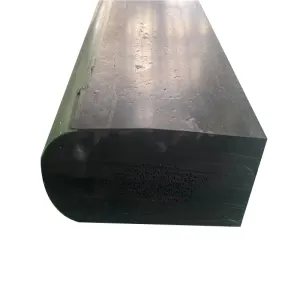
Waterstop
Category: WaterstopBrowse number: 18Number:Release time: 2025-12-17 14:47:44Indonesia (abbreviated as Indonesia) is an important country in Southeast Asia, and for Indonesia, China is the source of its products.
News
Category:
No search results found!
Case
Category:
No search results found!
Video
Category:
No search results found!
Download
Category:
No search results found!
Job
Category:
No search results found!
Featured Products
No search results found!



 WhatsApp
 Phone
Phone