
 Portugues
 Pусский


Industrial fluorocarbon rubber
Industrial Fluorocarbon Rubber: Properties and Applications Fluorocarbon rubber, commonly known as FKM or FPM, is a high-performance synthetic elastomer widely used in industrial applications due to its exceptional resistance to heat, chemicals, and harsh environments. This material is a copolymer of hexafluoropropylene (HFP) and vinylidene fluoride (VDF), with additional monomers sometimes incorporated to enhance specific properties. Key Properties 1. Thermal Stability: FKM exhibits excellent heat resistance, maintaining its mechanical properties at temperatures ranging from -20°C to +200°C, with some specialized grades capable of withstanding up to 300°C for short durations. 2. Chemical Resistance: It is highly resistant to oils, fuels, acids, and aggressive solvents, making it ideal for applications involving exposure to corrosive substances. 3. Low Gas Permeability: Fluorocarbon rubber has low permeability to gases and liquids, ensuring reliable sealing performance in high-pressure environments. 4. Weather and Ozone Resistance: Unlike many elastomers, FKM does not degrade when exposed to UV radiation, ozone, or extreme weather conditions. 5. Mechanical Strength: It offers good tensile strength, compression set resistance, and durability, even under prolonged stress. Industrial Applications 1. Automotive Industry: FKM is widely used in fuel systems, O-rings, gaskets, and seals due to its resistance to gasoline, diesel, and biofuels. 2. Aerospace and Aviation: Critical components such as engine seals, fuel hoses, and hydraulic systems rely on FKM for its ability to withstand high temperatures and aggressive fluids. 3. Oil and Gas: In drilling and refining operations, FKM seals and gaskets prevent leaks in equipment exposed to hydrocarbons, acids, and high pressures. 4. Chemical Processing: Valves, pumps, and lining materials made from FKM resist degradation from acids, alkalis, and solvents. 5. Semiconductor Manufacturing: FKM is used in cleanroom environments for wafer handling components due to its low outgassing and chemical inertness. Limitations Despite its advantages, FKM has some limitations, including poor resistance to ketones, esters, and ammonia. Additionally, its low-temperature flexibility is inferior to other elastomers like silicone. Conclusion Industrial fluorocarbon rubber is a critical material in demanding environments where chemical, thermal, and mechanical stability are essential. Its versatility ensures its continued use across multiple high-performance industries, contributing to safety, efficiency, and reliability in critical applications.
Products
Category:
-
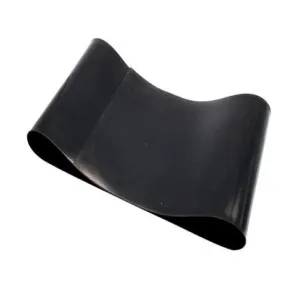
Industrial Fluorocarbon Rubber
Category: Fluorine Rubber SheetBrowse number: 20Number:Release time: 2025-12-17 15:03:55Industrial fluorocarbon rubber is a type of synthetic elastomer that primarily consists of carbon-fluorine bonds. These bonds provide fluorocarbon rubber with distinct physical and chemical properties, making it ideal for use in demanding industrial environments. It is commonly produced through the polymerization of vinylidene fluoride (VDF) and hexafluoropropylene (HFP), resulting in a high-strength, thermoset rubber material.
News
Category:
No search results found!
Case
Category:
No search results found!
Video
Category:
No search results found!
Download
Category:
No search results found!
Job
Category:
No search results found!
Featured Products
No search results found!



 WhatsApp
 Phone
Phone