
 Portugues
 Pусский


Latex Reclaimed Rubber
Reclaimed Rubber: An Overview Reclaimed rubber is a sustainable material produced by reprocessing used rubber products, such as tires, hoses, and industrial rubber waste. The process involves breaking down the vulcanized rubber’s cross-linked polymer structure to restore plasticity, making it reusable in new applications. This method not only reduces environmental waste but also conserves resources by lowering the demand for virgin rubber. Production Process The reclamation of rubber typically involves mechanical, thermal, and chemical treatments. The most common methods include: 1. Digester Process – Scrap rubber is treated with heat, pressure, and reclaiming agents (e.g., oils, peptizers) in an autoclave to break sulfur bonds. 2. Pan Process – Similar to the digester method but uses open steam pans for smaller-scale operations. 3. Mechanical Process – High-shear mixing and grinding break down rubber without extensive chemical treatment. 4. Microwave & Ultrasonic Methods – Emerging techniques that use energy-efficient processes to devulcanize rubber. After processing, the reclaimed rubber is refined, filtered, and compounded with additives to enhance its properties. Properties & Advantages Reclaimed rubber retains many characteristics of virgin rubber but with some differences: - Cost-Effective – Significantly cheaper than virgin rubber due to reduced raw material and processing costs. - Eco-Friendly – Reduces landfill waste and carbon footprint by recycling discarded rubber. - Good Processability – Easier to mix, extrude, and mold compared to virgin rubber due to partial devulcanization. - Moderate Performance – While not as strong as virgin rubber, it offers sufficient elasticity, abrasion resistance, and aging stability for many applications. Applications Reclaimed rubber is widely used in: - Tire Industry – As a filler in treads, sidewalls, and inner liners. - Automotive Parts – Gaskets, seals, and vibration dampers. - Footwear – Soles and heels. - Industrial Products – Conveyor belts, flooring, and adhesives. - Construction – Rubberized asphalt and roofing materials. Challenges & Future Outlook Despite its benefits, reclaimed rubber has limitations, such as lower tensile strength and potential impurities. However, advancements in devulcanization technology, such as green chemistry and enzymatic processes, are improving its quality. As sustainability becomes a global priority, reclaimed rubber is gaining traction as a key material in the circular economy. Its ability to reduce waste and lower production costs makes it an attractive alternative for industries seeking eco-friendly solutions. In conclusion, reclaimed rubber plays a crucial role in rubber manufacturing by offering a balance between performance, cost, and environmental responsibility. Continued innovation will further enhance its viability, ensuring it remains a valuable resource for years to come.
Products
Category:
-
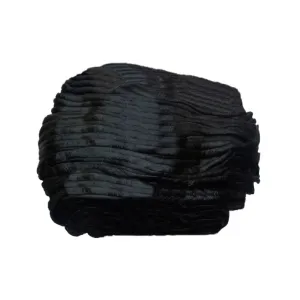
Latex Reclaimed Rubber
Category: Recycled RubberBrowse number: 20Number:Release time: 2025-12-17 15:27:33Latex reclaimed rubber refers to rubber that has been recovered, processed, and reused from previously used latex products, such as tires, rubber gloves, and other rubber-based materials. The process of reclaiming latex rubber involves breaking down the rubber into smaller, reusable components. This allows the material to be used again, rather than ending up in landfills, thereby reducing waste and the need for new raw materials.
News
Category:
-
[Industry News]Benefits of Silica Gel Plates for Moisture Control
2025-12-17 16:09:05 -
[Company News]Green vs. Black Rubber Insulating Sheets: Key Differences an...
2025-12-18 10:18:50
Case
Category:
No search results found!
Video
Category:
No search results found!
Download
Category:
No search results found!
Job
Category:
No search results found!
Featured Products
No search results found!



 WhatsApp
 Phone
Phone