
 Portugues
 Pусский


Recycled Latex Rubber
Recycled Latex Rubber: A Sustainable Material for the Future Recycled latex rubber is an innovative and eco-friendly material derived from reprocessing natural or synthetic latex products, such as gloves, balloons, condoms, and foam mattresses. Unlike conventional rubber production, which relies heavily on raw materials and energy-intensive processes, recycled latex rubber offers a sustainable alternative by reducing waste, conserving resources, and minimizing environmental impact. Production Process The recycling of latex rubber involves several key steps: 1. Collection and Sorting: Used latex products are gathered from industrial waste streams, medical facilities, or consumer recycling programs. The materials are then sorted to remove contaminants like plastics or metals. 2. Cleaning and Sanitization: The latex is thoroughly washed and sterilized to eliminate impurities, ensuring the final product meets safety standards. 3. Shredding and Grinding: The cleaned latex is shredded into smaller pieces or ground into a fine powder, making it easier to process further. 4. Rebinding and Vulcanization: The shredded latex is mixed with binding agents and sometimes blended with virgin latex to enhance durability. Vulcanization (a heat treatment process) may be applied to improve elasticity and strength. 5. Molding and Curing: The processed latex is shaped into new products through compression or injection molding, then cured to achieve the desired properties. Applications Recycled latex rubber is versatile and can be used in various industries: - Footwear: Soles, insoles, and sandals benefit from its cushioning and flexibility. - Automotive: Used in gaskets, seals, and vibration-dampening components. - Construction: Flooring underlays, acoustic insulation, and anti-slip mats. - Consumer Goods: Yoga mats, sports equipment, and eco-friendly toys. - Medical and Hygiene Products: Reusable gloves, elastic bands, and padding. Environmental Benefits Recycling latex rubber significantly reduces landfill waste and lowers carbon emissions compared to producing virgin rubber. It also decreases reliance on petroleum-based synthetic rubber and minimizes deforestation linked to natural rubber plantations. Additionally, the process consumes less water and energy, making it a more sustainable choice. Challenges and Future Prospects Despite its advantages, recycled latex rubber faces challenges, such as inconsistent quality due to varying sources and limited infrastructure for large-scale recycling. However, advancements in processing technology and growing consumer demand for sustainable products are driving innovation in this field. In conclusion, recycled latex rubber represents a crucial step toward a circular economy, offering both environmental and economic benefits. As industries prioritize sustainability, this material is poised to play an increasingly vital role in reducing waste and promoting greener manufacturing practices.
Products
Category:
-
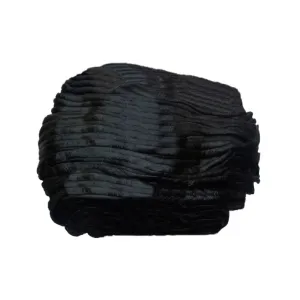
Latex Reclaimed Rubber
Category: Recycled RubberBrowse number: 20Number:Release time: 2025-12-17 15:27:33Latex reclaimed rubber refers to rubber that has been recovered, processed, and reused from previously used latex products, such as tires, rubber gloves, and other rubber-based materials. The process of reclaiming latex rubber involves breaking down the rubber into smaller, reusable components. This allows the material to be used again, rather than ending up in landfills, thereby reducing waste and the need for new raw materials.
News
Category:
-
[Company News]What is Recycled Rubber and How is it Made?
2025-12-17 17:51:50 -
[FAQ]The Advantages and Disadvantages of Using Recycled Rubber
2025-12-18 11:10:43 -
[FAQ]How Recycled Rubber Helps Reduce Landfill Waste
2025-12-18 11:27:46
Case
Category:
No search results found!
Video
Category:
No search results found!
Download
Category:
No search results found!
Job
Category:
No search results found!
Featured Products
No search results found!



 WhatsApp
 Phone
Phone