
 Portugues
 Pусский


Rubber Gasket
Rubber Gasket: A Comprehensive Overview A rubber gasket is a crucial sealing component used in various industrial and mechanical applications to prevent leaks, absorb shocks, and provide insulation between mating surfaces. Made from elastomeric materials, rubber gaskets are designed to withstand pressure, temperature variations, and chemical exposure, ensuring long-term performance in demanding environments. Material Composition Rubber gaskets are manufactured from different elastomers, each offering unique properties: - Nitrile Rubber (NBR): Resistant to oils, fuels, and hydrocarbons, making it ideal for automotive and petroleum applications. - EPDM (Ethylene Propylene Diene Monomer): Excellent for outdoor use due to its UV, ozone, and weather resistance. Commonly used in HVAC systems and plumbing. - Silicone Rubber: High-temperature stability and flexibility, suitable for food-grade, medical, and aerospace applications. - Neoprene: Good resistance to oils, chemicals, and weathering, often used in marine and industrial settings. - Fluoroelastomers (FKM/Viton®): Exceptional chemical and heat resistance, preferred in chemical processing and oil & gas industries. Key Functions 1. Sealing: Prevents fluid or gas leakage between connected surfaces. 2. Vibration Damping: Absorbs shocks and reduces noise in machinery. 3. Insulation: Provides electrical and thermal insulation in electrical enclosures. 4. Contamination Barrier: Keeps dust, moisture, and debris out of sensitive components. Applications Rubber gaskets are widely used in: - Automotive: Engine gaskets, fuel systems, and exhaust seals. - Plumbing: Pipe joints, valves, and water treatment systems. - Industrial Machinery: Pumps, compressors, and hydraulic systems. - Electronics: Enclosures and connectors requiring moisture resistance. - Aerospace & Defense: High-performance seals for extreme conditions. Design Considerations - Compression Set Resistance: Ensures the gasket maintains its shape under pressure. - Temperature Range: Must withstand operating conditions without degrading. - Chemical Compatibility: Should resist degradation from fluids or gases. - Thickness & Hardness: Selected based on sealing pressure and surface irregularities. Advantages - Flexibility: Conforms to uneven surfaces for better sealing. - Durability: Long service life even in harsh environments. - Cost-Effective: Affordable compared to metal or composite gaskets. Conclusion Rubber gaskets are indispensable in ensuring leak-free, efficient operations across industries. Their versatility, combined with material-specific properties, makes them a reliable solution for diverse sealing challenges. Proper selection based on application requirements ensures optimal performance and longevity.
Products
Category:
-
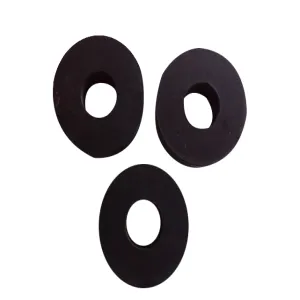
Rubber Gasket
Category: Rubber PadBrowse number: 18Number:Release time: 2025-12-17 16:07:02Rubber gaskets are indispensable components used across multiple industries to ensure proper sealing between two mating surfaces. By preventing leaks of fluids or gases, these gaskets help improve the efficiency and safety of systems. Whether in automotive engines, chemical processing plants, or plumbing systems, rubber gaskets are key to maintaining optimal performance and preventing costly damage.
News
Category:
No search results found!
Case
Category:
No search results found!
Video
Category:
No search results found!
Download
Category:
No search results found!
Job
Category:
No search results found!
Featured Products
No search results found!



 WhatsApp
 Phone
Phone