
 Portugues
 Pусский


Sealing Rubber Gasket
Sealing Rubber Gasket: A Comprehensive Overview A sealing rubber gasket is a critical component used in various industries to prevent leakage, provide cushioning, and ensure airtight or watertight seals between two or more mating surfaces. Made from elastomeric materials, these gaskets are designed to withstand pressure, temperature fluctuations, and chemical exposure, making them indispensable in applications ranging from automotive and plumbing to industrial machinery and electronics. Material Composition Rubber gaskets are typically manufactured from synthetic or natural rubber compounds, each offering distinct properties: - Nitrile Rubber (NBR): Resistant to oils, fuels, and solvents, making it ideal for automotive and fuel systems. - Silicone Rubber: Excellent thermal stability and flexibility, suitable for food-grade and medical applications. - EPDM (Ethylene Propylene Diene Monomer): Weather-resistant and durable, often used in outdoor and HVAC systems. - Neoprene: Resistant to ozone, weathering, and moderate chemicals, commonly found in industrial seals. - Fluoroelastomers (FKM/Viton): High resistance to extreme temperatures and aggressive chemicals, used in aerospace and oil industries. Design and Functionality Rubber gaskets come in various shapes—such as O-rings, flat gaskets, or custom profiles—to fit specific sealing requirements. Their primary functions include: - Leak Prevention: Creating a barrier against fluids, gases, or dust. - Vibration Damping: Absorbing shocks and reducing noise in mechanical systems. - Thermal Insulation: Protecting components from heat or cold transfer. - Compensation for Surface Imperfections: Filling minor gaps between uneven surfaces. Applications - Automotive: Engine gaskets, fuel systems, and fluid seals. - Plumbing: Pipe joints, valves, and water treatment systems. - Electronics: Enclosures and housings to prevent moisture ingress. - Industrial Machinery: Pumps, compressors, and hydraulic systems. - Medical Devices: Sterile seals for equipment and containers. Key Considerations for Selection When choosing a rubber gasket, factors such as temperature range, chemical compatibility, pressure resistance, and environmental conditions must be evaluated. Proper installation and maintenance are also crucial to ensure longevity and performance. Advantages - Flexibility: Adapts to irregular surfaces. - Durability: Resists wear and degradation. - Cost-Effective: Provides reliable sealing at a reasonable cost. In summary, sealing rubber gaskets play a vital role in ensuring efficiency and safety across multiple industries. Their versatility, combined with material advancements, continues to expand their applications, making them a cornerstone of modern sealing solutions.
Products
Category:
-
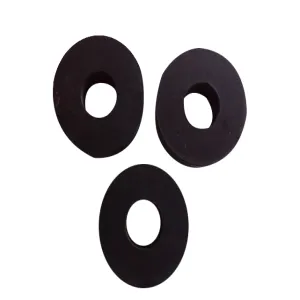
Rubber Gasket
Category: Rubber PadBrowse number: 18Number:Release time: 2025-12-17 16:07:02Rubber gaskets are indispensable components used across multiple industries to ensure proper sealing between two mating surfaces. By preventing leaks of fluids or gases, these gaskets help improve the efficiency and safety of systems. Whether in automotive engines, chemical processing plants, or plumbing systems, rubber gaskets are key to maintaining optimal performance and preventing costly damage.
News
Category:
No search results found!
Case
Category:
No search results found!
Video
Category:
No search results found!
Download
Category:
No search results found!
Job
Category:
No search results found!
Featured Products
No search results found!



 WhatsApp
 Phone
Phone