
 Portugues
 Pусский


Sealing rubber sheet
Sealing Rubber Sheet: A Comprehensive Overview Sealing rubber sheets are versatile and essential components used across various industries to prevent leaks, provide cushioning, and ensure airtight or watertight seals. Made from high-quality rubber compounds, these sheets are designed to withstand extreme temperatures, pressure, and harsh environmental conditions, making them indispensable in applications ranging from automotive and construction to plumbing and industrial machinery. Material Composition and Properties Sealing rubber sheets are typically manufactured from synthetic or natural rubber, depending on the intended use. Common materials include: - EPDM (Ethylene Propylene Diene Monomer): Known for excellent weather and UV resistance, ideal for outdoor applications. - Nitrile (NBR): Offers superior oil and fuel resistance, commonly used in automotive and industrial settings. - Neoprene: Provides good chemical and flame resistance, suitable for gaskets and insulation. - Silicone: Highly flexible, heat-resistant, and biocompatible, often used in food-grade and medical applications. These materials are compounded with additives to enhance properties like tensile strength, elasticity, abrasion resistance, and durability. Key Applications 1. Automotive Industry: Used in gaskets, hoses, and vibration dampeners to prevent fluid leaks and reduce noise. 2. Construction: Acts as waterproofing membranes in roofing, expansion joints, and window seals. 3. Plumbing: Ensures leak-proof connections in pipes, valves, and pumps. 4. Industrial Machinery: Serves as protective linings, conveyor belts, and shock absorbers. 5. Electronics: Provides insulation and dust-proofing in sensitive equipment. Advantages - Flexibility: Adapts to irregular surfaces, ensuring tight seals. - Chemical Resistance: Withstands exposure to oils, acids, and solvents. - Temperature Tolerance: Performs in extreme heat or cold (-50°C to +300°C, depending on material). - Longevity: Resists degradation from ozone, UV rays, and mechanical wear. Customization and Installation Sealing rubber sheets can be customized in thickness, hardness (Shore A scale), and dimensions to fit specific requirements. They are often die-cut, molded, or adhered using adhesives for precise fitting. Proper surface preparation ensures optimal performance. Conclusion Sealing rubber sheets are critical for maintaining efficiency and safety in numerous applications. Their adaptability, durability, and resistance to harsh conditions make them a preferred choice for engineers and manufacturers worldwide. Whether for sealing, insulation, or protection, these sheets provide reliable performance across diverse industries. (Word count: 500)
Products
Category:
-
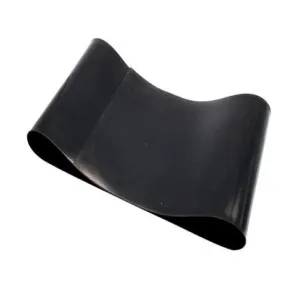
Industrial Fluorocarbon Rubber
Category: Fluorine Rubber SheetBrowse number: 20Number:Release time: 2025-12-17 15:03:55Industrial fluorocarbon rubber is a type of synthetic elastomer that primarily consists of carbon-fluorine bonds. These bonds provide fluorocarbon rubber with distinct physical and chemical properties, making it ideal for use in demanding industrial environments. It is commonly produced through the polymerization of vinylidene fluoride (VDF) and hexafluoropropylene (HFP), resulting in a high-strength, thermoset rubber material.
News
Category:
-
[FAQ]How to Choose the Right Rubber Sheet for Your Project
2025-12-18 13:46:51
Case
Category:
No search results found!
Video
Category:
No search results found!
Download
Category:
No search results found!
Job
Category:
No search results found!
Featured Products
No search results found!



 WhatsApp
 Phone
Phone