
 Portugues
 Pусский


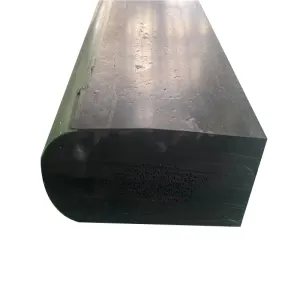
Waterproofing Strip
Waterproofing Strip: A Comprehensive Overview A waterproofing strip is a specialized sealing material designed to prevent water infiltration in various applications, from construction to electronics. These strips are engineered to create a durable, watertight barrier, protecting surfaces, joints, or gaps from moisture damage. They are commonly used in roofing, windows, doors, plumbing, and electronic devices, ensuring long-term durability and performance in wet or humid environments. Composition and Materials Waterproofing strips are typically made from flexible, water-resistant materials such as: - Rubber (EPDM, silicone, neoprene): Offers excellent elasticity and weather resistance. - Polyurethane (PU): Provides strong adhesion and durability. - Butyl rubber: Known for its high impermeability to water and gases. - Adhesive-backed films: Often used in electronics for easy application. These materials are chosen based on factors like exposure conditions, temperature fluctuations, and mechanical stress. Key Features and Benefits 1. Water Resistance: The primary function is to block water penetration, preventing leaks, corrosion, and mold growth. 2. Flexibility: Maintains sealing effectiveness even under movement or vibration. 3. UV and Temperature Resistance: Many strips withstand extreme weather, making them suitable for outdoor use. 4. Adhesion Strength: High-quality strips bond firmly to surfaces like metal, glass, plastic, or concrete. 5. Chemical Resistance: Resists degradation from oils, solvents, and other harsh substances. 6. Easy Installation: Pre-cut strips or rolls allow for quick application without specialized tools. Applications - Construction: Sealing roof joints, window frames, and expansion gaps. - Plumbing: Preventing leaks around pipes and fixtures. - Automotive: Waterproofing doors, sunroofs, and electrical components. - Electronics: Shielding circuit boards, connectors, and battery compartments. - Marine: Protecting boat hatches and deck fittings from seawater. Installation and Maintenance Proper surface preparation (cleaning, drying) ensures optimal adhesion. Some strips require pressure or heat activation for maximum effectiveness. Regular inspections help detect wear or peeling, ensuring long-term performance. Conclusion Waterproofing strips are essential for safeguarding structures and devices against water damage. Their versatility, durability, and ease of use make them indispensable in industries where moisture resistance is critical. By selecting the right material and applying it correctly, users can enhance the lifespan and reliability of their products or installations.
Products
Category:
-
Waterstop
Category: WaterstopBrowse number: 18Number:Release time: 2025-12-17 14:47:44Indonesia (abbreviated as Indonesia) is an important country in Southeast Asia, and for Indonesia, China is the source of its products.
News
Category:
No search results found!
Case
Category:
No search results found!
Video
Category:
No search results found!
Download
Category:
No search results found!
Job
Category:
No search results found!
Featured Products
No search results found!



 WhatsApp
 Phone
Phone