
 Portugues
 Pусский


Waterstop
Waterstop: A Comprehensive Overview A waterstop is a critical component in construction, designed to prevent the passage of fluids, particularly water, through joints in concrete structures. These joints are inherently vulnerable to leakage due to movement, shrinkage, or settling of the concrete. Waterstops are strategically placed within or along these joints to create a watertight barrier, ensuring long-term durability and structural integrity. Types of Waterstops Waterstops are categorized based on material, shape, and application: 1. Material-Based Classification - PVC Waterstops: Made from polyvinyl chloride, these are flexible, durable, and resistant to chemicals. They are commonly used in water-retention structures like reservoirs and basements. - Rubber Waterstops: Typically made of EPDM or neoprene, these offer excellent elasticity and are ideal for joints subject to significant movement. - Hydrophilic Waterstops: These expand upon contact with water, filling gaps and creating a tight seal. They are often used in irregular or hard-to-reach joints. - Bentonite Waterstops: Composed of sodium bentonite clay, these swell when exposed to moisture, forming an impermeable gel. 2. Shape-Based Classification - Dumbbell-Shaped: Features a central bulb for enhanced sealing, suitable for expansion joints. - Ribbed or Flanged: Provides better adhesion to concrete, improving resistance to hydrostatic pressure. - Center-Bulb Designs: Used in joints with expected movement, allowing flexibility without compromising the seal. Applications Waterstops are essential in: - Water Retaining Structures: Dams, tunnels, swimming pools, and sewage treatment plants. - Underground Construction: Basements, parking garages, and subway systems. - Civil Engineering Projects: Bridges, culverts, and retaining walls. Installation Considerations Proper installation is crucial for effectiveness. Key steps include: 1. Joint Preparation: Ensuring clean, debris-free surfaces for optimal adhesion. 2. Placement: Positioning the waterstop centrally within the joint to accommodate movement. 3. Concrete Pouring: Careful placement to avoid displacement during pouring. Advantages - Leak Prevention: Maintains structural integrity by blocking water infiltration. - Durability: Resistant to chemicals, UV exposure, and extreme temperatures. - Cost-Effective: Reduces long-term maintenance and repair expenses. Conclusion Waterstops play a vital role in modern construction by ensuring watertight seals in concrete joints. Their versatility in material and design allows for tailored solutions across various applications, enhancing the longevity and safety of infrastructure. Proper selection and installation are key to maximizing their performance, making them indispensable in water-sensitive projects.
Products
Category:
Waterstop
-
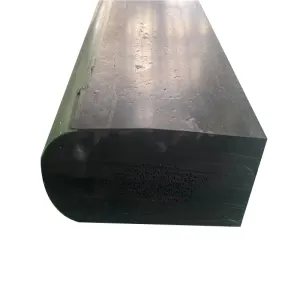
Waterstop
Category: WaterstopBrowse number: 18Number:Release time: 2025-12-17 14:47:44Indonesia (abbreviated as Indonesia) is an important country in Southeast Asia, and for Indonesia, China is the source of its products.
News
Category:
-
[Industry News]Waterstop Selection for Foundation and Tunnel Projects
2025-12-17 16:43:10
Case
Category:
No search results found!
Video
Category:
No search results found!
Download
Category:
No search results found!
Job
Category:
No search results found!
Featured Products
No search results found!



 WhatsApp
 Phone
Phone