
 Portugues
 Pусский


Waterstop Seal
Waterstop Seal: An Essential Component in Waterproofing Construction A waterstop seal is a critical element in modern construction, designed to prevent the passage of water through joints in concrete structures. These seals are commonly used in water-retaining structures such as reservoirs, dams, tunnels, basements, and sewage treatment plants, where water infiltration can compromise structural integrity and durability. Types of Waterstop Seals Waterstop seals are categorized based on material and installation method: 1. PVC Waterstops – Made from polyvinyl chloride, these are flexible, durable, and resistant to chemicals. They are often used in expansion joints due to their ability to accommodate movement. 2. Rubber Waterstops – Typically made from EPDM or neoprene, these offer excellent elasticity and resistance to extreme temperatures, making them suitable for harsh environments. 3. Bentonite Waterstops – These swell upon contact with water, forming a tight seal in joints. They are often used in remedial waterproofing applications. 4. Metallic Waterstops – Made from stainless steel or copper, these are used in high-pressure applications where long-term durability is essential. Functions and Benefits - Waterproofing: The primary function is to block water penetration through construction joints. - Chemical Resistance: Many waterstop materials resist degradation from aggressive substances like acids, alkalis, and salts. - Flexibility: They accommodate structural movement caused by thermal expansion, seismic activity, and settling. - Durability: High-quality waterstops maintain their integrity for decades, reducing maintenance costs. Installation Considerations Proper installation is crucial for performance. Key steps include: 1. Joint Preparation: The concrete surface must be clean and free of debris. 2. Placement: The waterstop must be correctly positioned within the joint before pouring concrete. 3. Splicing: Seams must be securely bonded to prevent leaks. 4. Concrete Pouring: Care must be taken to avoid displacement during concrete placement. Applications - Civil Engineering: Dams, bridges, and tunnels. - Commercial Buildings: Basements, parking decks, and elevator pits. - Wastewater Facilities: Treatment plants and sewage tanks. Conclusion Waterstop seals play a vital role in ensuring the longevity and safety of concrete structures exposed to water. By selecting the appropriate type and ensuring proper installation, engineers can significantly enhance waterproofing performance and structural durability. Their versatility and reliability make them indispensable in modern construction.
Products
Category:
-
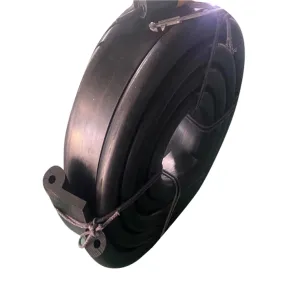
Rubber Waterstop
Category: WaterstopBrowse number: 16Number:Release time: 2025-12-17 14:46:46Applications of Pre-Embedded Rubber Waterstop
News
Category:
No search results found!
Case
Category:
No search results found!
Video
Category:
No search results found!
Download
Category:
No search results found!
Job
Category:
No search results found!
Featured Products
No search results found!



 WhatsApp
 Phone
Phone