
 Portugues
 Pусский


Silica Gel Plate
Silica Gel Plate A silica gel plate, commonly referred to as a thin-layer chromatography (TLC) plate, is a widely used analytical tool in chemistry, biochemistry, and pharmaceutical research. It consists of a flat, rectangular support, typically made of glass, aluminum, or plastic, coated with a thin layer of silica gel—a porous, granular form of silicon dioxide (SiO₂). The silica gel layer serves as the stationary phase in TLC, enabling the separation of mixtures into individual components based on their differential interactions with the stationary and mobile phases. Structure and Composition The silica gel layer is usually 0.1–0.25 mm thick and contains fine particles (5–25 µm in diameter) with a high surface area. The particles are often bound together with a small amount of inert binder, such as calcium sulfate or organic polymers, to ensure adhesion to the backing material. Some plates may also include a fluorescent indicator (e.g., manganese-activated zinc silicate) to aid in visualizing UV-absorbing compounds under ultraviolet light. Mechanism of Separation In TLC, a sample mixture is spotted near the bottom of the plate, which is then placed vertically in a developing chamber containing a solvent (mobile phase). Capillary action draws the solvent upward through the silica gel layer. As the solvent moves, the components of the mixture migrate at different rates due to their varying affinities for the stationary phase (adsorption) and solubility in the mobile phase (partitioning). Polar compounds interact more strongly with the polar silica gel and move slower, while nonpolar compounds travel faster with the solvent front. Applications Silica gel plates are indispensable in: - Qualitative Analysis: Identifying unknown compounds by comparing their retention factors (Rf values) with standards. - Purity Testing: Detecting impurities in synthesized compounds or pharmaceuticals. - Reaction Monitoring: Tracking the progress of chemical reactions by analyzing intermediate and product spots. - Preparative TLC: Isolating small quantities of compounds for further analysis. Visualization Techniques After development, separated components may be invisible and require visualization methods such as: - UV Light: For compounds with UV absorbance or fluorescence. - Iodine Vapor: Forms colored complexes with many organic compounds. - Chemical Stains: Specific reagents (e.g., ninhydrin for amino acids) produce colored spots. Advantages - Cost-Effective: Inexpensive compared to other chromatographic techniques. - Rapid Analysis: Separations typically take minutes. - High Sensitivity: Can detect nanogram quantities of substances. - Versatility: Compatible with a wide range of solvents and samples. Limitations - Lower Resolution: Compared to high-performance liquid chromatography (HPLC). - Limited Quantification: Semi-quantitative at best without densitometry. Conclusion Silica gel plates remain a fundamental tool in laboratories due to their simplicity, efficiency, and broad applicability. They provide a quick and accessible means for preliminary separation and analysis, making them essential in research, quality control, and education.
Products
Category:
Silica Gel Plate
-
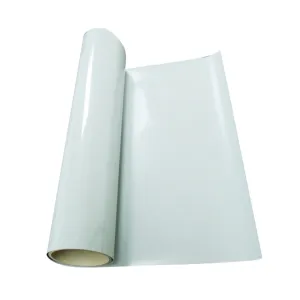
Silica Gel Plate
Category: Silica Gel PlateBrowse number: 40Number:Release time: 2025-12-17 15:28:16A silica gel plate is a flat, rigid surface that is coated with a thin layer of silica gel, often used in processes like thin-layer chromatography (TLC). Silica gel itself is a porous, granular material made from silica, which is a form of silicon dioxide (SiO₂). Its high surface area, porosity, and ability to absorb moisture make it ideal for separating, purifying, and analyzing substances in various scientific processes.
News
Category:
-
[Industry News]Benefits of Silica Gel Plates for Moisture Control
2025-12-17 16:09:05 -
[Company News]How Silica Gel Plates Protect Electronics from Humidity
2025-12-17 16:18:47 -
[FAQ]How to Activate Silica Gel Plates for Optimal Performance
2025-12-18 09:04:26 -
[Industry News]How to Prepare and Activate Silica Gel Plates for Optimal Pe...
2025-12-18 10:49:11 -
[Company News]Common Problems with Silica Gel Plates and Troubleshooting S...
2025-12-18 14:21:24 -
[Company News]Silica Gel Plate vs. Aluminum Oxide Plate: Key Differences
2025-12-18 14:50:01
Case
Category:
No search results found!
Video
Category:
No search results found!
Download
Category:
No search results found!
Job
Category:
No search results found!
Featured Products
No search results found!



 WhatsApp
 Phone
Phone